 BUILD WITH XPHI →
Make robots
intelligence-
ready
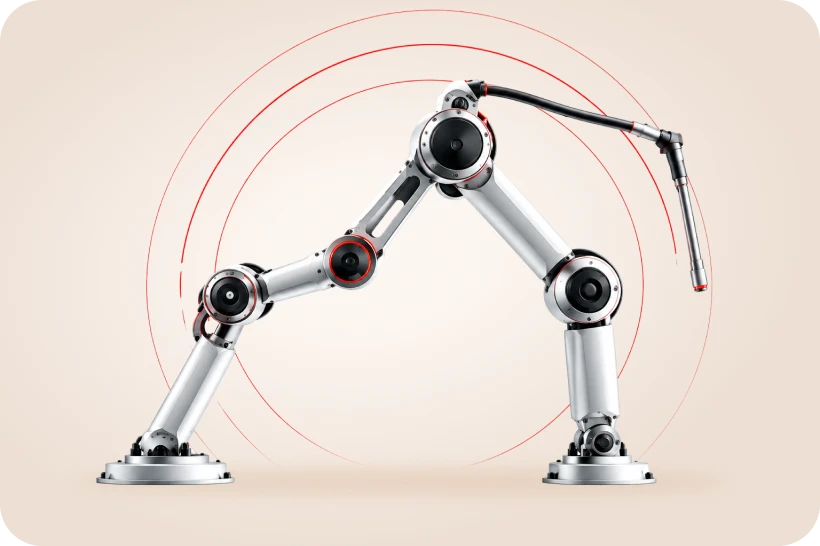
Start with the robot you have.
Or the one you need.
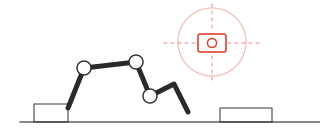
Upgrade the installed base.
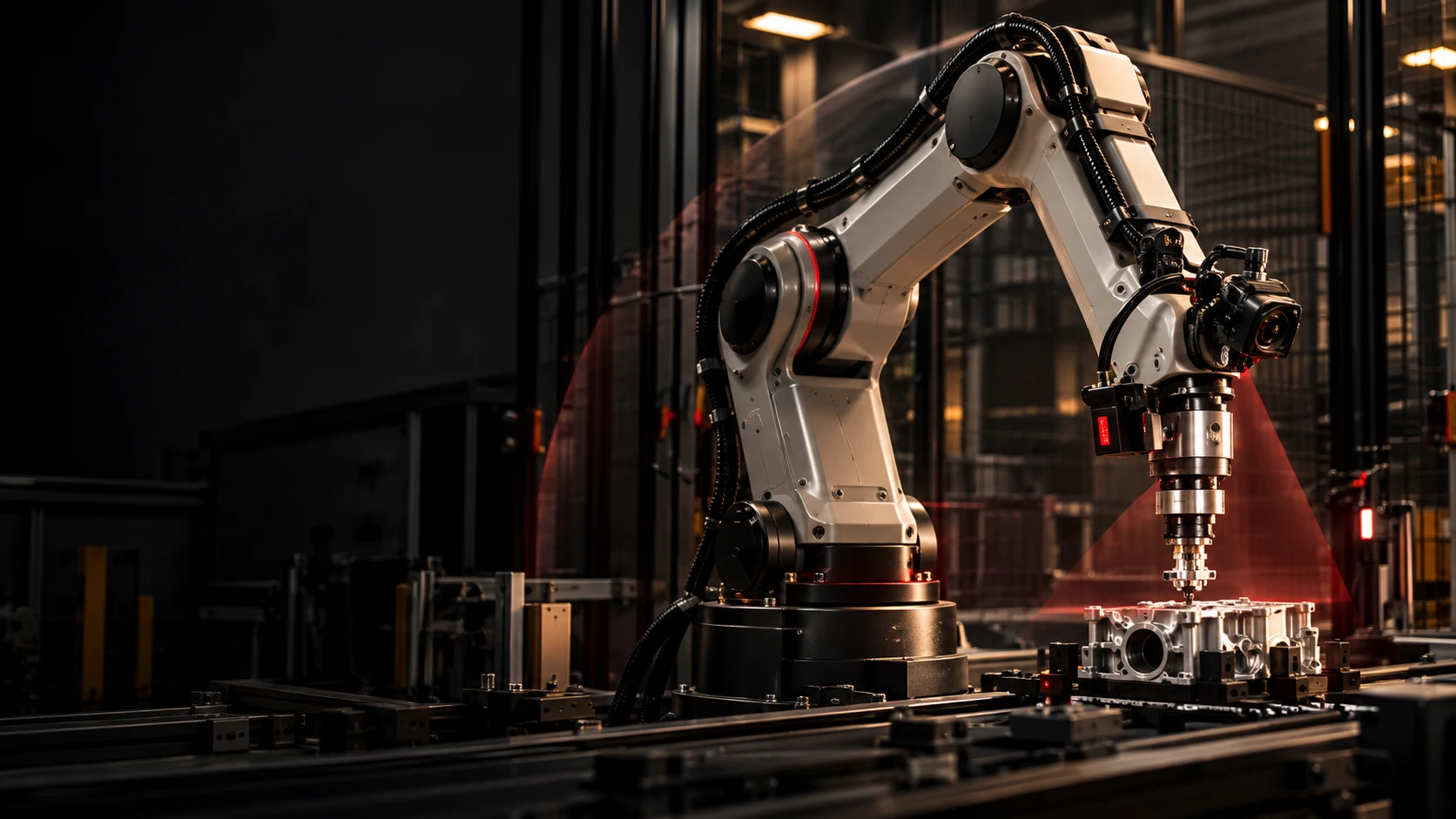
Instrument existing factory robots and their workcells with suitable vision and other sensors. Capture robot-native observations alongside available controller and process signals, without assuming one retrofit fits every machine.
- Assess the cell, task and integration constraints
- Place sensors around the action that matters
- Start with visibility and data; expand by validated use case
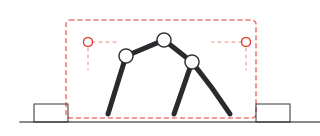
Design for learning from day one.
Work with factories, OEMs and integrators on new robot deployments so sensing, data interfaces and evaluation needs are considered as the cell is designed.
- Plan camera, sensor and controller access up front
- Build data capture into deployment workflows
- Create a path for future model evaluation and upgrades
From robot action to usable intelligence.

Instrument
Vision and task-relevant sensing at the robot, tool and workcell.

Capture
Time-aligned robot actions, observations and available process context.

Curate
Ingest, synchronize, quality-check, label and prepare task-relevant datasets.

Apply
Support factory insight, model evaluation and carefully gated autonomy work.
A reason to deploy
before autonomy.
Production visibility
Real-time cycle activity, timestamps and process variants for better investigation and higher line uptime.
Quality assessment
Use multiple observations to measure visible defects or deviations, with richer context from real-world data.
Data rights by design
Define sourcing, ownership, permissions, usage and revenue sharing upfront so data assets remain valuable as models improve.
Autonomy is earned
one workflow at a time.
Observe
Understand real operations, environment variations and edge cases.
Understand
Turn observations into structured datasets and task definitions.
Assist
Deploy models in supervised or shared-control modes.
Autonomy
Progress to higher levels of autonomy as data, safety and reliability targets are met.
For validated workflows, XPHI envisions outcome-based pricing where customers subscribe to autonomous task execution rather than just hardware, creating long-term value from continuously improving models.
Start with one robot.
Design for what’s next.